Is HVAC Better Than AC? What Mesa Homeowners Need to Know
If you've searched for HVAC services near me and then wondered whether you actually need HVAC or just AC help, you're not alone. It's one of the most common questions Mesa homeowners ask before picking up the phone.
About 88% of U.S. homes use some type of air conditioning. But most homeowners can't explain the difference between their AC unit and their full HVAC system. That gap leads to wrong service calls, wasted time, and sometimes wasted money.
This guide answers the question straight: which is better, AC or HVAC? Then it helps you find the right HVAC services near you for your exact situation — whether that's a full system fix or a simple cooling repair.
Which Is Better, AC or HVAC?
Neither is "better" — they serve different purposes. HVAC stands for heating, ventilation, and air conditioning. It covers your entire climate system. AC refers only to the cooling part. Here's a simple way to decide:
- Choose AC service if your only problem is that your home isn't cooling properly — warm air, frozen coils, a unit that won't turn on.
- Choose full HVAC service if you need help with heating, airflow, ductwork, ventilation, or a combination of issues.
HVAC vs. AC: What's the Real Difference?
HVAC stands for heating, ventilation, and air conditioning. It's the full system that controls your home's temperature, airflow, and air quality year-round. AC — air conditioning — is just the cooling part of that system.
Think of it this way: every AC unit is part of an HVAC system. But HVAC is not just AC. It also includes your furnace or heat pump, your ductwork, your vents, and your thermostat.
This matters when you're calling for help. We see this mix-up almost daily here in Mesa. A homeowner calls for full HVAC service, and it turns out the issue is a clogged AC filter — a 10-minute fix. The flip side happens too. Someone calls for AC-only help when the real issue is ductwork or weak airflow.
What HVAC Services Include in Mesa
When you call for HVAC services in Mesa, the scope goes beyond just fixing your air conditioner. A full-service HVAC company handles everything that affects your indoor climate:
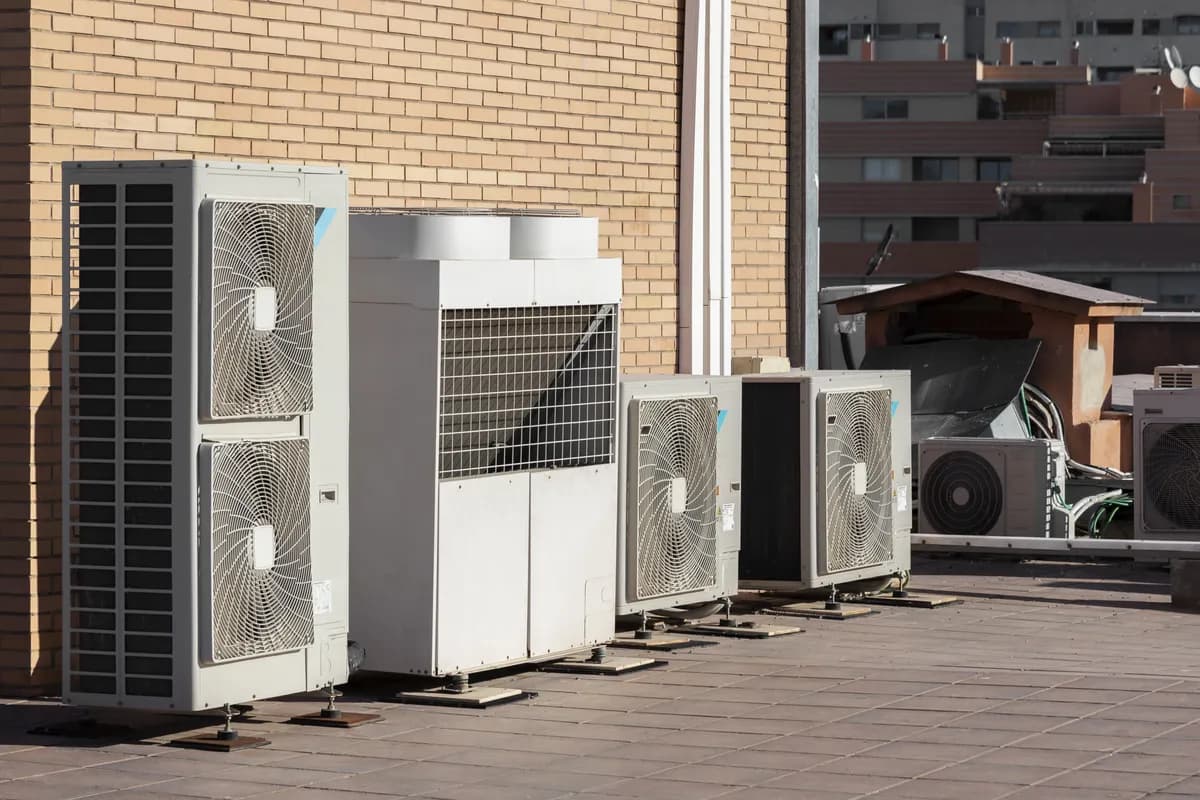
- Air conditioning repair, installation, and replacement
- Furnace and heating system service
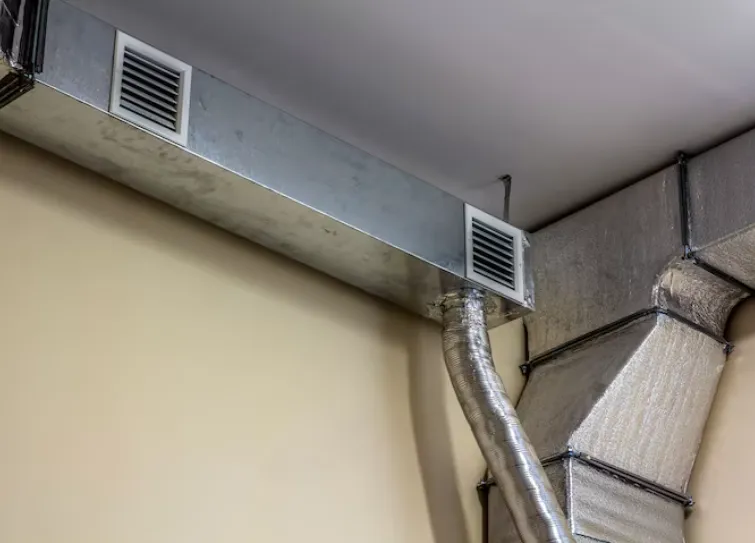
- Ductwork inspection, repair, and cleaning
- Thermostat installation and calibration
- Air quality testing and filtration
- Seasonal maintenance tune-ups
- Emergency 24/7 service
When to Call for AC Service vs. Full HVAC Service
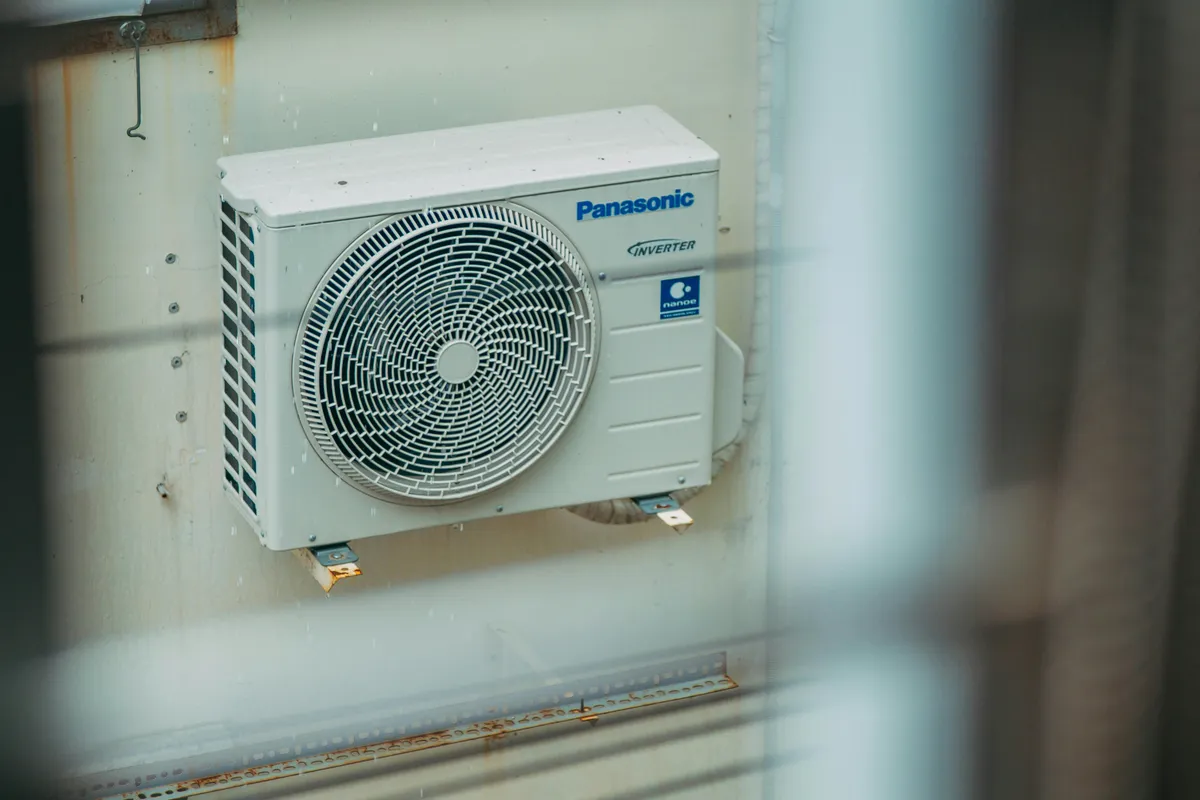
If your home isn't cooling, your AC won't turn on, you hear strange noises from the outdoor unit, or ice is forming on the coils — that's an AC-specific issue. Call for air conditioning service.
If you're dealing with uneven temperatures room to room, weak airflow, high humidity indoors, furnace problems, or a system that runs constantly without reaching the set temperature — those are HVAC system issues that go beyond just cooling.
What Heating Actually Means in Mesa
The H in HVAC gets dismissed in the desert, and that is a mistake with practical consequences. Mesa winters are mild rather than absent: overnight lows in December and January routinely drop into the 30s and 40s, and higher-elevation parts of the metro such as Fountain Hills are genuinely colder. Most Valley homes run their heat on a meaningful number of mornings each winter, and a heating system that has sat idle for eight months is a system that may not start when asked.
What that means in practice is that heating failures in the Valley cluster in a narrow window. The first genuinely cold morning of the season generates a wave of no-heat calls, because that is the moment eight months of idleness gets tested. A cracked igniter, a failed flame sensor, a seized inducer motor, or a thermostat that was never wired for the heating stage correctly — none of these announce themselves in August.
The equipment side differs across the metro too. Homes with existing gas service typically have a furnace paired with the air conditioner. Homes without it often have a heat pump, which is the same machine that cools in summer running in reverse, and in a climate with cool rather than severe winter lows a heat pump handles the heating season efficiently. That difference matters when you call for service, because a heat pump problem in winter may be a cooling-side component, and the diagnosis is not a furnace diagnosis at all.
Ventilation: The Letter Everyone Forgets
The V sits between heating and cooling in the acronym and gets almost no attention, yet it explains a large share of the complaints homeowners describe as cooling problems. Ventilation is about air movement and air exchange: how air gets to each room, how it gets back to the equipment, and what happens to humidity and contaminants along the way. Equipment can be in perfect condition while ventilation quietly ruins the result.
In Mesa homes the most common ventilation fault is ductwork. Runs installed decades ago through attics that exceed 150 degrees in summer, with joints that were never sealed to modern standards and insulation that has degraded, lose a share of the conditioned air before it arrives. On the return side the same leaks pull superheated attic air into the system. This presents as a room that never cools, uneven temperatures, or a system that runs far longer than its size suggests, and it is routinely misattributed to the air conditioner.
The second common fault is inadequate return air. Supply registers get the attention, but air has to get back to the equipment, and a system starved on the return side runs high static pressure, moves less air, and loses capacity everywhere. Closing supply vents to redirect air makes this worse rather than better. The third is the converted space — a garage or enclosed patio tied into ductwork sized for the original house, which is a ventilation and load problem that no amount of equipment replacement resolves.
- One room that never cools: almost always that room's duct run, not the equipment.
- Cold air at the vent but weak flow: a restriction or leak upstream.
- Attic or dusty smell when the system runs: a return-side leak pulling unconditioned air in.
- A converted garage or patio that will not keep up: ductwork sized for a smaller house.
Why the Distinction Matters When You Pick Up the Phone
Describing the symptom accurately gets you the right technician with the right parts, and saves a wasted visit. The most useful thing you can report is not your diagnosis but the pattern: when it started, whether it is the whole house or one room, whether it is constant or only at certain times of day, and whether anything changed beforehand. A homeowner who says the back bedroom has been warm since spring while the rest of the house is fine has described a ductwork problem without using the word.
The distinction also matters for who you hire. A company that only services cooling equipment can replace your condenser and will not meaningfully address leaking attic ducts, inadequate return air, or a heating stage that was never wired correctly. If the real problem lives in the ventilation side of the acronym, you need someone who works on all three parts of the system — and who will inspect the ductwork rather than quoting around it.
The practical takeaway is to stop trying to decide whether you need AC service or HVAC service before you call, because that decision requires the diagnosis you do not have yet. Describe the symptom, let the pattern point at the cause, and expect a competent technician to check the whole path from the equipment to the register rather than only the box outside.
You can see the full scope of what we handle on our services page, read about AC repair in Mesa, or look at HVAC service across Mesa and the East Valley.
Take the Next Step
Whether you need a quick AC fix or a full HVAC system evaluation, Fast Track Heating & Cooling is here to help Mesa homeowners get the right service the first time. Call us at (602) 905-4528 for a free consultation.
Related Services
Need HVAC Help in Arizona?
Fast Track Heating & Cooling offers free estimates on all HVAC services across the Valley.
Call (602) 905-4528