AC Drain Line Clogged? How to Spot It and When to Call a Pro
A clogged AC drain line is one of those problems that seems minor until it isn't. Left alone, it can flood the area around your air conditioner, cause water damage, invite mold, and even shut your whole system down in the middle of an Arizona heat wave. The good news is that it's easy to spot once you know the signs — and often preventable with a little routine care.
Here's how to tell if your drain line is clogged, what you can do about it, and when it's time to bring in a professional.
What is the AC drain line, and why does it clog?
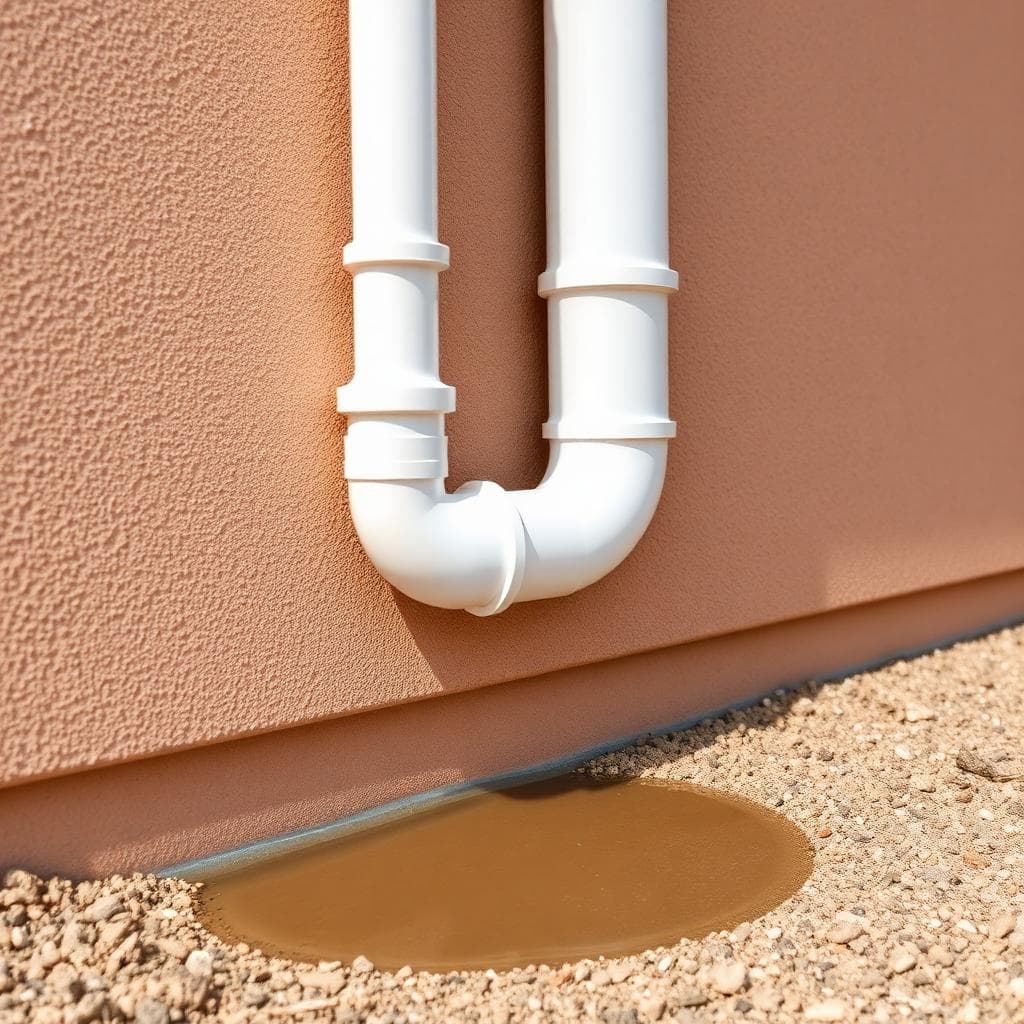
As your air conditioner cools your home, it pulls humidity out of the air. That moisture condenses into water, collects in a drain pan, and flows out of your home through a pipe called the condensate drain line.
Over time, that line can get blocked by dust, dirt, algae, mold, and sludge. In Arizona, this happens more than you might expect. Even though our air is dry, our environment is full of fine dust that gets pulled into your system, and the dark, damp inside of a drain line is a perfect place for algae and buildup to grow. Once the line clogs, water has nowhere to go — and that's when problems start.
Warning signs of a clogged AC drain line
Watch for these red flags:
- Water pooling around your indoor unit. This is the most obvious sign. If you see water near your air handler or furnace, a clogged drain line backing up into the pan is a likely cause.
- A full or overflowing drain pan. If the pan under your unit is holding standing water, the line isn't draining properly.
- Your AC shuts off by itself. Many modern systems have a safety float switch that automatically shuts the unit down when the drain pan fills up, to prevent water damage. If your AC keeps turning off, this could be why.
- A musty or moldy smell. Standing water and buildup in the line can produce a distinct musty odor coming from your vents.
- Higher humidity indoors. If your home feels stickier than usual, your system may not be draining and removing moisture the way it should.
- Visible mold near the unit or vents. A chronic drainage problem creates the moisture mold needs to grow.
Can you clear a clogged drain line yourself?
Sometimes, yes — a minor clog near the outdoor end of the line can often be cleared at home. Here's the general approach:
- Turn off your AC at the thermostat and the breaker. Never work on the system while it's running.
- Find the drain line — it's usually a PVC pipe near your outdoor unit or exiting near your indoor air handler.
- Locate the access point. Many drain lines have a T-shaped vent with a cap you can remove.
- Use a wet/dry shop vacuum on the outdoor end of the line to suck out the clog. Seal around the connection with a rag or duct tape for better suction.
- Flush the line with a bit of distilled vinegar through the access point to help break down remaining algae and buildup.
When to call a professional
If the clog clears and water flows freely again, you're in good shape. Regular flushing with vinegar every few months is a good way to keep it from coming back. Call an HVAC technician if:
- You can't locate or safely access the drain line
- The clog won't clear with a shop vacuum
- Water keeps backing up even after you've cleared the visible line (the clog may be deep in the system)
- Your system keeps shutting off
- There's already water damage or visible mold
- You'd simply rather have it done right and checked over by a pro
Why Attic Air Handlers Raise the Stakes
In much of the country the indoor unit sits in a basement or on a slab, and a blocked drain line produces a puddle on a concrete floor. Across Gilbert, Chandler, Queen Creek, and most East Valley subdivisions built in the last few decades, the air handler is in the attic. There, the same blocked line produces water through the ceiling, damage to drywall and insulation, and potentially mold in a space nobody looks at. The failure is identical; the consequences are not.
That is why the float switch matters so much in this region. A float switch is a small safety device that senses rising water in the drain pan or line and shuts the system down before it overflows. It turns a ceiling repair into a no-cool call, which is a much better problem to have. They are sometimes absent entirely, sometimes installed but not wired, and sometimes deliberately bypassed during previous work to stop nuisance shutdowns, which defeats the purpose.
If your air handler is in the attic, confirming that a float switch exists and functions is the single most valuable thing you can do about drain lines. Combined with a drain that is flushed before monsoon season, when condensate volume rises sharply, it removes most of the risk of water damage from this source.
Monsoon Season Multiplies the Load
Through the dry months, an Arizona air conditioner produces relatively little condensate because there is little moisture in the air to remove. When monsoon humidity arrives, the volume of water running through the drain line increases sharply, and a line that was partially restricted but coping in June can block within days in July. Many drain failures we see happen in the first humid week of the season for exactly this reason.
Flushing the drain line before monsoon season, and checking that it discharges where it should, is inexpensive preparation that targets the highest-risk period directly. Our monsoon preparation guide covers it alongside the other storm-season items, and why an AC leaks water covers what to do if the overflow has already started.
An ounce of prevention
A deep clog, a damaged drain pan, or a line that wasn't installed with proper slope all need professional attention. And because a clogged drain line often points to a system that's overdue for maintenance, it's a good opportunity to have your whole unit checked before it fails on a 115° day.
The best way to deal with a clogged drain line is to prevent it. Regular AC maintenance — including flushing the drain line and clearing buildup — keeps water flowing and catches small problems before they become emergencies. In Arizona's dusty climate, we recommend having your system serviced twice a year.
If your AC drain line is clogged and you're in Mesa, Gilbert, Chandler, Tempe, Scottsdale, or the East Valley, Fast Track Heating & Cooling can clear it fast and make sure the rest of your system is running right. We offer same-day service and we're licensed, bonded, and insured. Schedule AC repair or ask about preventative maintenance. Call (602) 905-4528.
Related Services
Need HVAC Help in Arizona?
Fast Track Heating & Cooling offers free estimates on all HVAC services across the Valley.
Call (602) 905-4528