Why Is My AC Running But Not Cooling? 9 Reasons (and Fixes) for Arizona Homes
It's 112°F outside, your thermostat says 78°F, but the house feels like 88°F. The AC is humming, air is moving — just not cold air. This is one of the most common calls we get at Fast Track Heating & Cooling during a Phoenix summer.
The good news: about half the time, the fix is something a homeowner can handle in 10 minutes. The other half needs a tech. Here's how to tell which one you're dealing with.
Why Is My AC Running But Not Cooling?
When an AC runs but doesn't cool, the system is moving air but failing to remove heat from it. The most common Arizona causes are:
- A clogged air filter starving the system of airflow
- A frozen evaporator coil from low airflow or low refrigerant
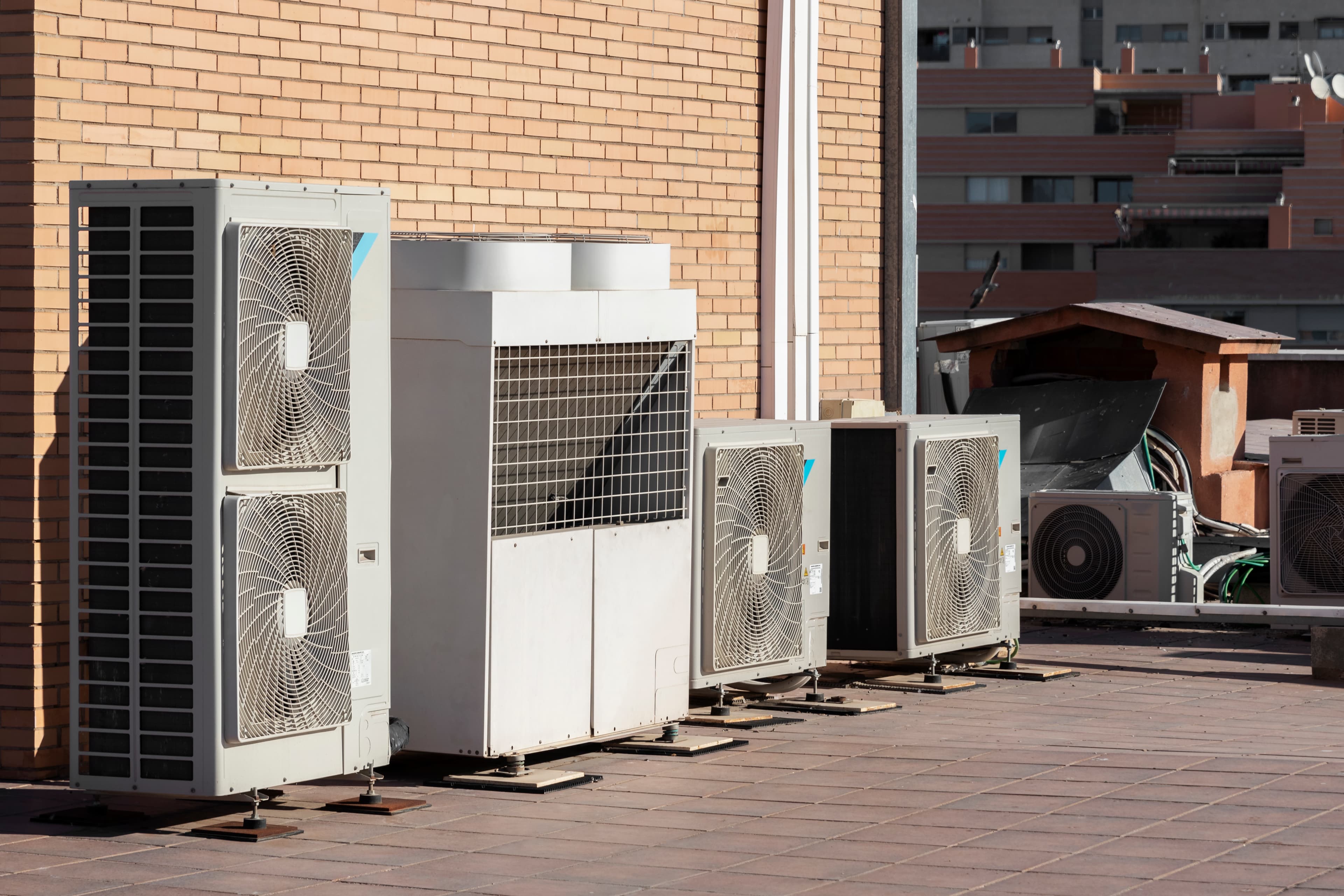
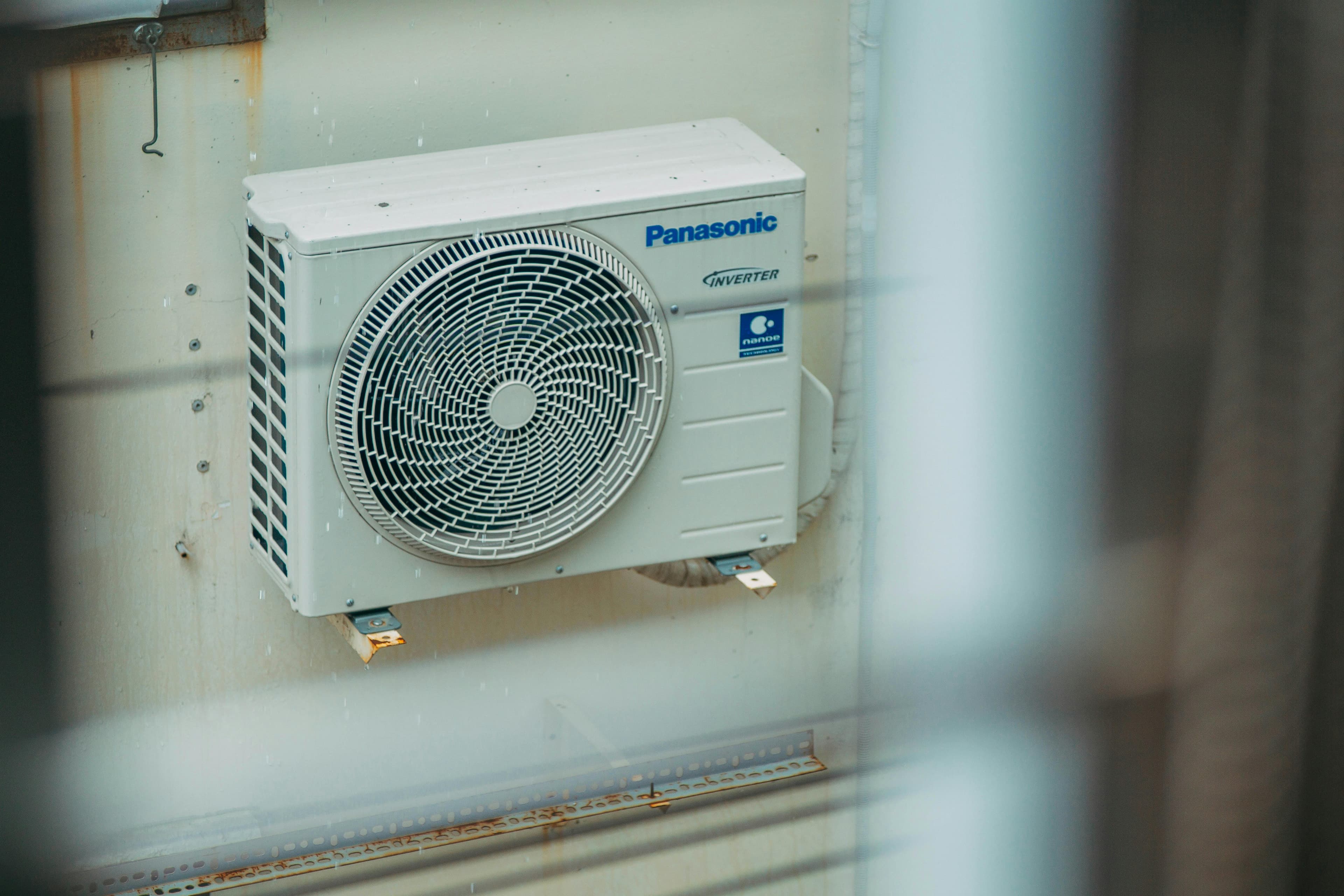
- Dirty outdoor condenser coils baked over with Mesa dust
- Low refrigerant from a slow leak
- A failing capacitor that can't start the compressor properly
- A thermostat set to 'fan' instead of 'cool'
- Leaking or disconnected ductwork in the attic
- A tripped high-pressure switch from extreme outdoor heat
- An aging compressor that no longer pumps efficiently
Fixes You Can Try Before Calling a Tech
Before you book a service call, run through this short checklist. In a typical Mesa home, one of these solves the problem about 50% of the time:
- Check the thermostat — make sure it's set to COOL and the fan is on AUTO, not ON
- Replace the filter if it's dark gray or hasn't been changed in 60+ days
- Walk outside and look at the condenser — clear any leaves, dust, or debris within 2 feet
- Look for ice on the refrigerant line or indoor coil — if you see ice, shut the system off and run the fan only for 2-3 hours to thaw
- Check your breaker panel — a partially tripped breaker can keep the fan running while the compressor sits idle
How to Tell Capacity From a Fault
There is an important distinction buried in the complaint that an AC is not cooling, and separating the two saves both money and frustration. A fault means something is broken and the system cannot do what it was built to do. A capacity shortfall means nothing is broken — the system is working correctly and is simply not big enough, or is losing too much of its output on the way to your rooms, to keep up with the load on the hottest days.
The pattern over time tells you which one you have. A fault usually appears suddenly: the system cooled fine last week and does not now. A capacity problem is consistent and seasonal: the system holds temperature for most of the year and falls behind during the same few weeks every summer, often in the late afternoon, and recovers overnight. If your system has never kept up on peak days since the day you moved in, that is not a component failure.
The practical test is the temperature split — the difference between the air entering the return and the air coming out of a supply vent. A system that is functioning will produce a meaningful drop across the coil. If the split is healthy and the house still will not hold temperature, the equipment is working and the problem is load, distribution, or sizing. If the split is poor, something is wrong with the equipment or the charge, and that is a fault to diagnose.
Ductwork: The Cause That Looks Like Everything Else
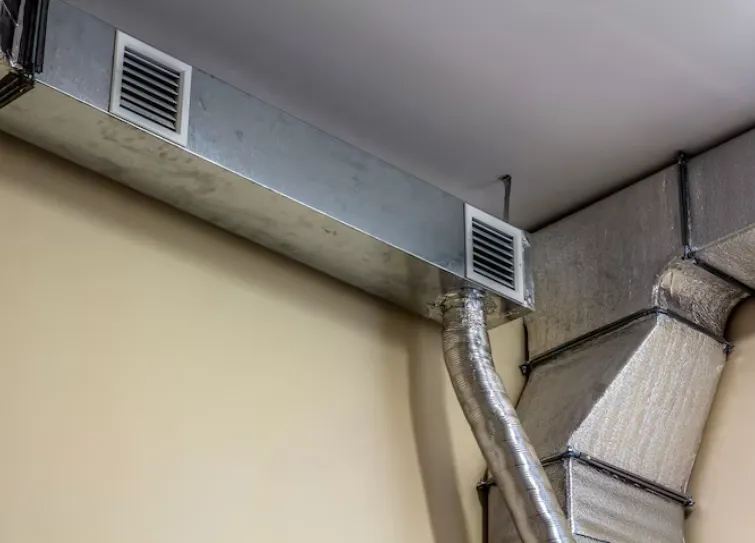
In the older parts of Mesa, Tempe, and Phoenix, the most under-diagnosed reason a system does not cool adequately is that a share of the conditioned air never arrives. Duct runs installed decades ago were not sealed to modern standards, and they pass through attics that exceed 150 degrees in summer. Air leaking from a supply run is cooling your attic. Worse, a leak on the return side pulls superheated attic air into the system, so the equipment is cooling attic air before it ever gets to your rooms.
This presents exactly like low refrigerant or an undersized system, which is why it gets misdiagnosed and why homeowners sometimes replace equipment and find the problem largely unchanged. The distinguishing signs are a house that cools unevenly with specific rooms always behind, supply air that feels adequately cold at the vent but in insufficient volume, and a system that runs far longer than its size suggests it should.
The common homeowner response makes it worse. Closing vents in rooms that do cool, in the hope of pushing more air to the room that does not, raises static pressure across the whole system. That reduces total airflow, which reduces capacity everywhere and increases the share of air escaping through existing leaks. The room you were trying to fix usually does not improve.
- A room that is always behind regardless of thermostat setting points at its specific duct run, not the equipment.
- Cold air at the vent but weak flow suggests a restriction or a leak upstream.
- Flexible duct that has separated at a joint or been crushed is common and invisible without going into the attic.
- Closing vents to redirect air raises static pressure and reduces total capacity. It is not a fix.
When Nothing Is Wrong but the House Is Still Hot
On the most extreme Arizona afternoons, a correctly sized and perfectly functioning system can fall a few degrees behind, and that is expected rather than a failure. Equipment is sized against a design temperature, and days above that design point are days when the system runs continuously and holds whatever it can. A system that recovers overnight and holds setpoint on ordinary days is behaving normally even if it loses ground during a record afternoon.
What determines how much ground you lose is mostly load rather than equipment. West-facing glass with no shading, an attic with degraded insulation, a converted garage or enclosed patio added to the conditioned space without any added capacity, or a condenser boxed into a narrow side yard where it recirculates its own hot discharge air — each of these raises the real load or reduces real capacity without anything being broken. Addressing them is often cheaper and more effective than replacing equipment.
The reason this distinction matters commercially is that it is the point where a homeowner is most likely to be sold a larger system. Oversizing is the most common and most expensive mistake in this climate: an oversized unit satisfies the thermostat quickly, shuts off before it has evened out temperatures or removed humidity, and leaves you with a house that is cold near the thermostat and warm in the far bedrooms, plus higher bills from repeated start-up surges.
If you want to establish whether capacity or distribution is the real constraint, that is what a load calculation answers — see what size AC unit you need. You can also book an assessment or read about AC repair in Mesa.
When to Stop and Call a Professional
Refrigerant work, capacitor replacement, compressor diagnostics, and duct repairs aren't DIY jobs in Arizona heat. If you've replaced the filter, cleared the condenser, and the house still won't drop below 80°F after an hour, the system needs hands-on diagnostics.
Call Fast Track Heating & Cooling at (602) 905-4528 for same-day AC repair across Mesa, Gilbert, Chandler, Tempe, Scottsdale, and the rest of the East Valley.
Related Services
Need HVAC Help in Arizona?
Fast Track Heating & Cooling offers free estimates on all HVAC services across the Valley.
Call (602) 905-4528