How to Prepare Your AC for Arizona Monsoon Season
Arizona monsoon season runs from June 15 through September 30. During those months, Mesa and the East Valley can see sudden dust storms, heavy rain, lightning strikes, and power surges — all of which can damage your AC system.
Every monsoon season, we get dozens of emergency calls from homeowners with AC units clogged by debris, tripped by power surges, or flooded by unexpected rain. Most of these problems are preventable with some simple preparation.
How Monsoons Damage AC Systems
Understanding the risks helps you prepare:
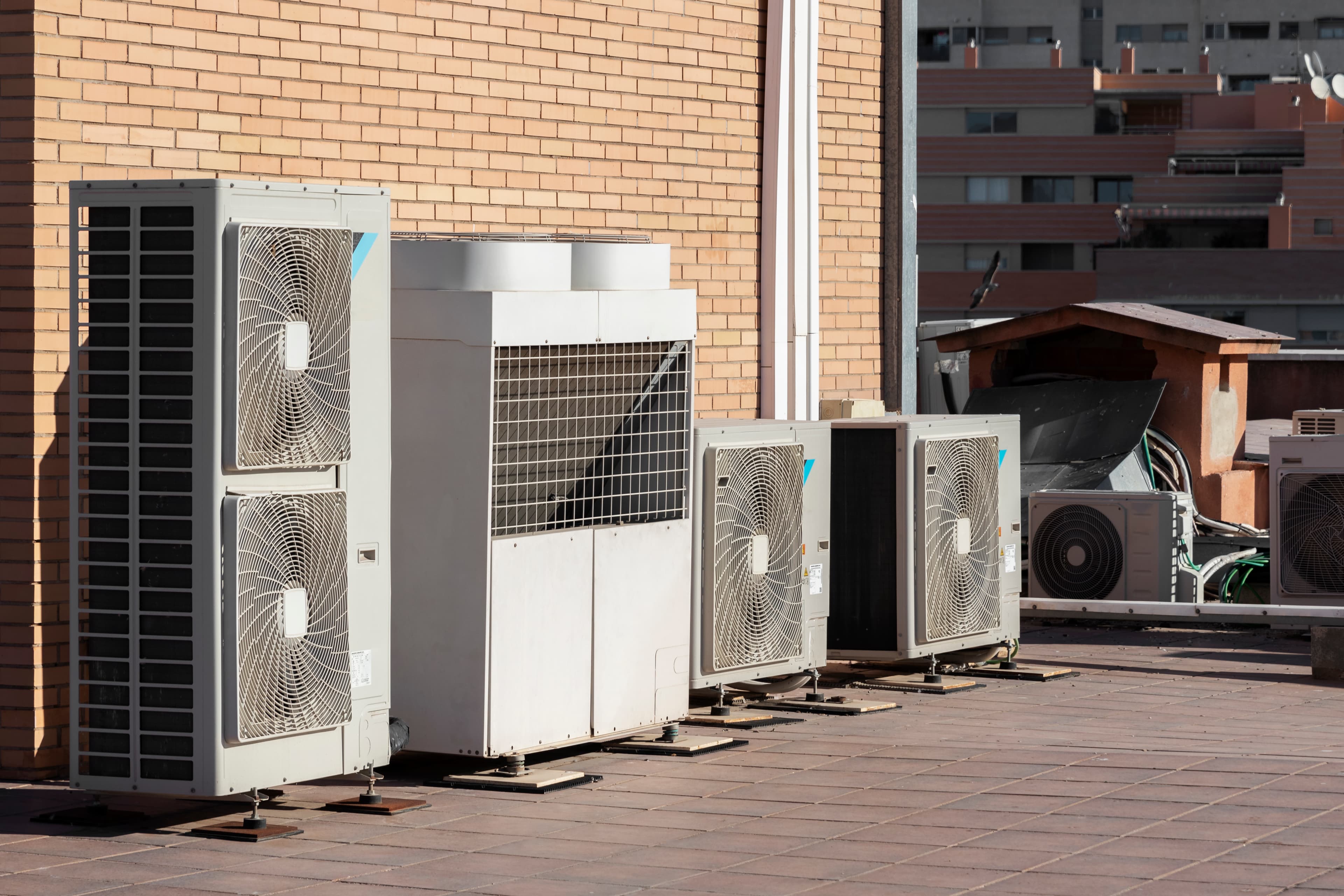
- Dust storms (haboobs) pack dirt and debris into your outdoor condenser coils, blocking airflow
- Power surges from lightning can fry capacitors, contactors, and control boards
- Heavy rain can flood the area around your outdoor unit, causing electrical issues
- Flying debris can bend condenser fins or damage fan blades
- Sudden humidity spikes strain your system and can overwhelm condensate drains
Pre-Monsoon AC Checklist for Mesa Homeowners
Complete these steps before monsoon season starts:
- Install a surge protector on your AC system — a $150 investment that can save a $1,000+ repair
- Clear all debris, plants, and stored items at least 2 feet from your outdoor unit
- Hose down the condenser coils to remove existing dust buildup
- Check that your condensate drain line is clear and draining properly
- Replace your air filter with a fresh one
- Schedule a professional tune-up to catch worn parts before storm stress hits
What to Do After a Monsoon Storm
After any significant storm, inspect your outdoor unit for visible debris, bent fins, or standing water around the base. If your AC won't turn on after a storm, check the breaker first — many units trip during power surges. If the breaker trips again after you reset it, do not reset it a third time. Call an HVAC technician.
If dust storms were heavy, hose down the condenser unit gently from the top down to wash out accumulated dirt.
Why Monsoon Humidity Changes How Your System Behaves
Most of the Arizona cooling season is dry heat, and an air conditioner in dry heat spends nearly all of its capacity lowering air temperature. When monsoon moisture arrives, part of that capacity shifts to removing water from the air instead. The thermostat setting has not changed and the equipment has not weakened, but the system is now doing two jobs with the same capacity, so it runs longer to reach the same number.
That is why July and August often feel worse than June even when the outdoor temperature is lower. A 108-degree day with dew points in the 60s is a harder job for your system than a 112-degree dry day, and a system that coped fine through June can start falling behind. Homeowners frequently read this as a sudden fault when it is the expected consequence of a different kind of load.
The practical consequence is that monsoon season is when marginal systems get exposed. Undersized equipment, leaking ductwork, a partly blocked coil, or a low refrigerant charge may all be survivable in dry heat and become obvious once humidity arrives. If your system only struggles during monsoon weeks, that is useful diagnostic information rather than a random event.
Condensate: The Monsoon Failure Nobody Plans For
Removing humidity from indoor air produces water, and during monsoon season it produces far more of it than in dry months. All of that water has to leave the house through a single narrow drain line. This is the most common monsoon-season failure we see, and it is also the one that does the most expensive damage, because in homes with the air handler in the attic the overflow comes through a ceiling.
Drain lines block for ordinary reasons: dust that got past the filter mixes with condensate into a sludge, and biological growth thrives in a dark, damp line. A line that handled a dry June adequately can block within days once the volume of water increases. The warning signs are water stains near the air handler, a musty smell, or a system that shuts itself off and restarts for no obvious reason.
A float switch is the safety device that shuts the system down when the line blocks, turning a ceiling repair into a no-cool call. They are sometimes missing entirely and sometimes bypassed by previous work. Confirming you have one, and that it functions, is the single highest-value monsoon preparation item in a home with attic equipment.
- Locate your condensate drain line and confirm it discharges where it should, not into the attic or under the unit.
- Confirm a float switch is present and wired, not disconnected or jumpered.
- Watch for water staining on ceilings beneath attic equipment during the first humid week.
- Treat a system that cycles off and back on without a thermostat change as a possible drain fault, not a mystery.
Dust Storms Do Damage That Rain Does Not
A haboob is harder on an air conditioner than the rain that follows it. Fine caliche dust is driven deep into condenser coil fins, where it bonds with the oily residue that accumulates on any outdoor unit. The result is a coil that cannot reject heat efficiently, which raises operating pressures and power draw and shortens compressor life. Crucially, none of that produces an obvious symptom at first. The system keeps cooling; it just works harder and costs more.
The instinct after a dust storm is to hose the unit down from the outside. That makes the problem worse, because spraying from outside drives surface dust further into the fins where it packs. Coils need rinsing from the inside out, with the power off and the fan assembly handled appropriately, which is why it belongs in a service visit rather than a weekend project.
Filters load faster during these weeks too, and a restricted filter is the most common cause behind frozen coils and systems that shut down. During monsoon season, checking the filter by eye monthly is a better rule than following a ninety-day calendar designed for a milder climate. Our guide to how often to change your filter in Arizona goes into the specifics.
If storm damage has already happened — a unit that will not start after an outage, a visible impact, or a breaker that will not hold — that is a service call rather than a maintenance item. You can reach us here or see the areas we cover on our service areas page.
Protecting the Outdoor Unit Without Smothering It
It is tempting to cover the condenser before a storm, but in summer that does more harm than good — a covered unit that starts up cannot reject heat and can overheat quickly. Instead, secure loose yard items such as patio cushions, trampolines and trash cans that wind can throw into the fins, and trim back branches overhanging the unit. After a storm, clear leaves and debris from around the base and the top grille, and keep at least the manufacturer's recommended clearance around all sides so the unit can breathe.
Schedule Your Pre-Monsoon Tune-Up
The best time to prepare is before the first storm hits. Fast Track Heating & Cooling offers pre-monsoon AC tune-ups for Mesa, Gilbert, Chandler, Tempe, Scottsdale, and the entire East Valley. To book yours, call (602) 905-4528 today.
Related Services
Need HVAC Help in Arizona?
Fast Track Heating & Cooling offers free estimates on all HVAC services across the Valley.
Call (602) 905-4528