AC Fan Not Spinning? Causes and Fixes for Arizona Homeowners
You walk out to the side of your Arizona home on a 110° day and notice something unsettling: the big fan on top of your outdoor AC unit isn't spinning. Sometimes the unit is silent. Sometimes it's humming — but the blades are dead still. Either way, warm air is now blowing through the vents inside.
Here's what's actually going on, what you can safely check yourself, and why running the system in this state is one of the fastest ways to turn a $250 repair into a $3,000 one.
Why the outdoor fan matters
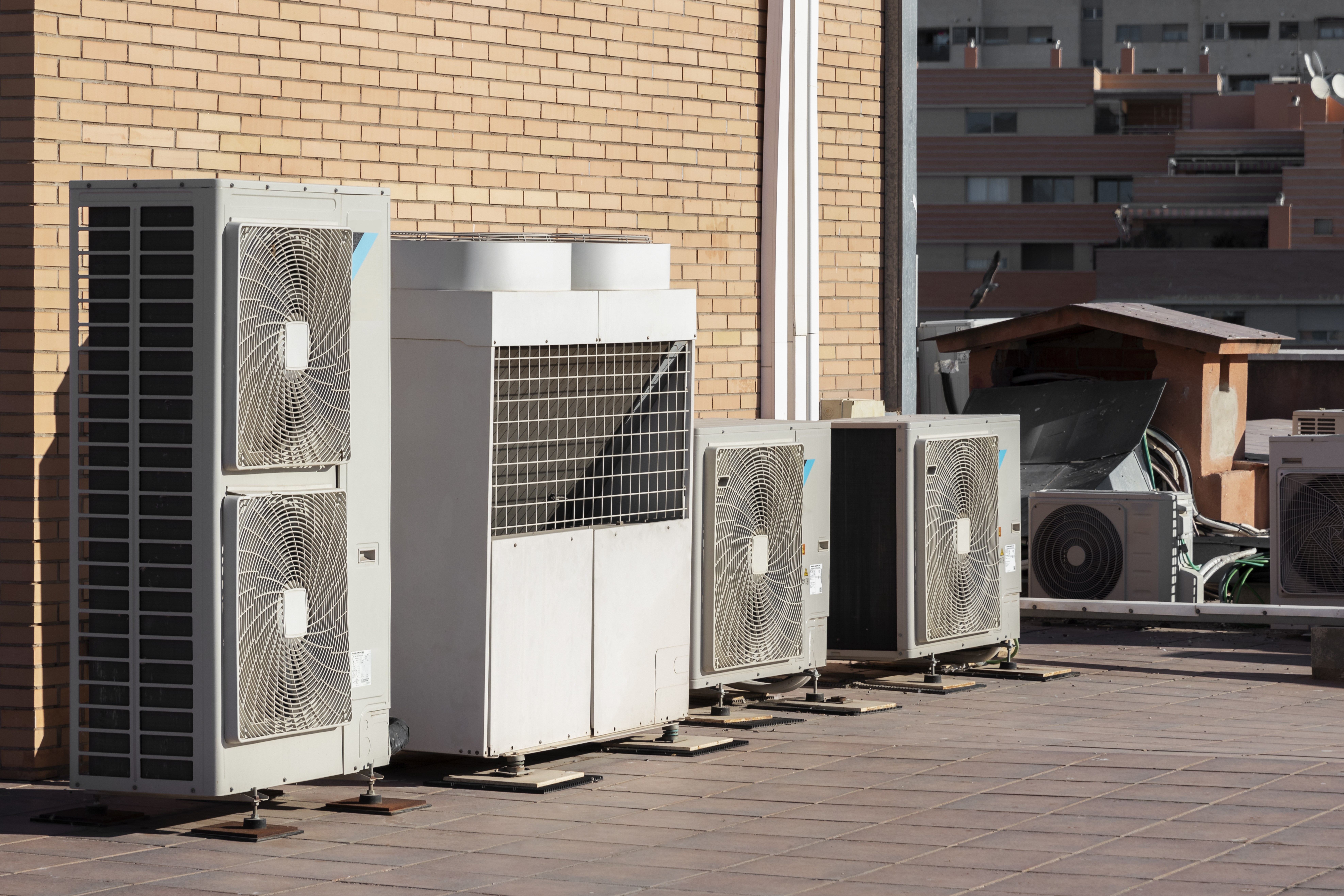
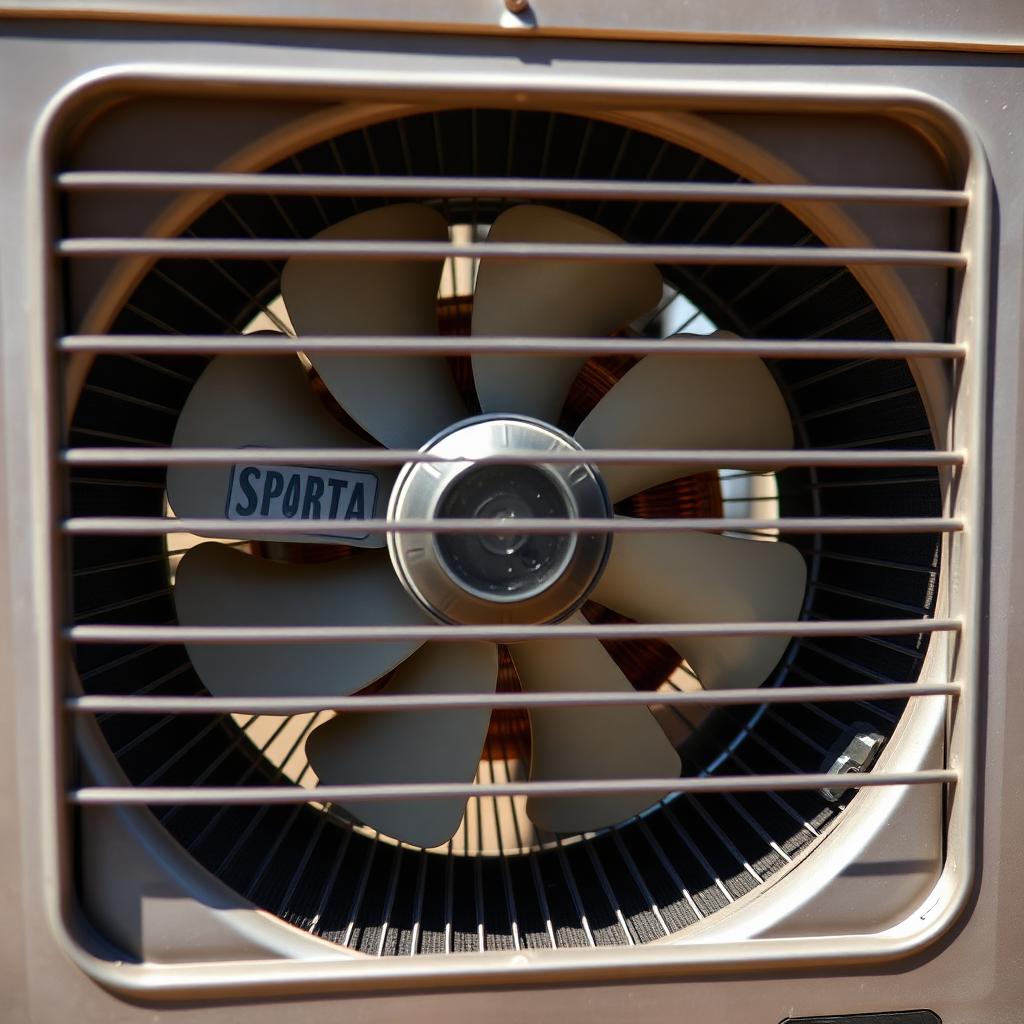
The condenser fan (the big one on top of the outdoor box) has one job: pull air across the condenser coil so it can dump the heat your AC just pulled from inside your house. If that fan stops, there's nowhere for the heat to go. The refrigerant temperature spikes, pressure spikes, and the compressor — the most expensive single part of the system — starts cooking itself.
Rule #1: If the fan is not spinning, turn the system OFF at the thermostat immediately. Do not "just leave it running" until you can get a tech out. You will not save time. You will replace a compressor.
Cause #1: Failed capacitor (most common by far)
The capacitor is a small cylindrical part that gives motors the jolt they need to start spinning. When it fails — which happens constantly in Arizona heat — the fan motor tries to start, can't, and just hums.
Telltale signs it's the capacitor:
- The unit hums loudly but the fan stays still
- You can push the fan blade with a stick and it starts spinning (do not do this — it's a diagnostic sign a tech uses, and running the system that way is unsafe)
- It started happening on a very hot day
- The top of the capacitor looks bulged or has leaked oil
This is a cheap, common repair — usually replaced in under an hour. We break down what you should expect to pay in our AC capacitor replacement cost guide for Arizona.
Cause #2: Failed fan motor
If the capacitor tests fine and the fan still won't spin, the fan motor itself is likely burned out. This is common on systems 8–10+ years old, especially units that have been running with a weak capacitor for a while (the extra strain kills the motor).
Signs it's the motor, not the capacitor:
- No hum at all — total silence when the system calls for cooling
- Fan blade spins freely by hand (bearings feel smooth) but never starts on its own
- The tech replaced the capacitor and the fan still won't spin
- There's a burning smell around the outdoor unit
Motor replacement runs quite a bit more than a capacitor — typically several hundred dollars in parts and labor — but it's still far cheaper than a compressor.
Cause #3: Bad contactor or control board
The contactor is the electrical switch that tells the outdoor unit to turn on when the thermostat calls for cool. When it fails, sometimes only half the outdoor unit gets power — the compressor tries to run, the fan doesn't, or vice versa.
Signs it's the contactor:
- The compressor is running (you hear a low continuous hum from inside the outdoor unit) but the fan on top is still
- The problem is intermittent — sometimes the fan runs, sometimes it doesn't
- You can see burnt or pitted contact points on the contactor (a tech will check this)
Cause #4: Obstruction or seized bearings
Occasionally the fan doesn't spin because something is physically blocking it — a stick, a pool of monsoon debris jammed in the blades, a bird's nest, even a plastic bag. Or the motor's bearings have seized after years of Arizona dust and heat.
Turn the system off at the breaker and look through the top grille with a flashlight. Anything obvious? Great — clear it, then call to have the motor and capacitor checked because running against an obstruction typically damages both.
Cause #5: Tripped breaker or blown fuses
Sometimes only the outdoor unit's breaker has tripped — the indoor blower keeps running (blowing uncooled air), and the outdoor fan sits still because it has no power at all. Check the breaker panel for a breaker in the middle or OFF position. Reset it once. If it trips again immediately, stop — that's a separate problem we cover in AC breaker keeps tripping.
What you can safely do yourself
The DIY zone for this problem is small but real:
- Turn the system OFF at the thermostat. First priority.
- Check the breaker. Reset once. Don't reset repeatedly if it keeps tripping.
- Look for obstructions. Power off, look through the top grille with a flashlight.
- Check the air filter and returns indoors. Rarely the direct cause of a stopped fan, but severe airflow starvation can shut things down.
Anything past this — capacitors, motors, contactors, refrigerant work — needs a licensed tech. These systems run on 240V, hold stored electrical charges even when powered off, and touching the wrong terminal will hurt you.
How much time do I have?
In Arizona summer? Not much. Once the outdoor fan stops:
- If the compressor is still running (humming, drawing power): shut off the system NOW. Every minute risks the compressor.
- If everything is silent: the risk is only to your indoor comfort — you can wait a few hours safely for a service window.
- If it's over 100° inside: open interior doors, get fans moving, and consider leaving for a few hours. Interior temps over 90° indoors are a health risk for kids, older adults, and pets.
Get it fixed fast
At Fast Track Heating & Cooling, we handle no-fan calls same-day whenever possible across Mesa and the East Valley. Most turn out to be capacitors and get resolved in a single visit. See our AC repair service, Mesa AC repair page, or schedule online. Or call (602) 905-4528 for a free diagnostic.
Related Services
Need HVAC Help in Arizona?
Fast Track Heating & Cooling offers free estimates on all HVAC services across the Valley.
Call (602) 905-4528