HVAC Maintenance Checklist for Arizona Homeowners (Season by Season)
The average HVAC system lasts 12–15 years in most of the U.S. In Arizona, that number is closer to 10 — sometimes less. Extreme heat, fine dust, monsoon debris, and near-year-round runtime all take a serious toll. Regular maintenance is the single biggest factor in whether your system makes it to year 15 or gives out at year 8.
This is the checklist we give our own maintenance customers, broken down by season. Some items you can do yourself in 10 minutes. Others are worth having a pro handle once a year.
Monthly (year-round)
Two quick tasks, all year long:
- Check and change the air filter. In Arizona, most homes need a filter change every 30–60 days — dust and pet dander clog filters here faster than the packaging suggests. Full detail in our filter change frequency guide.
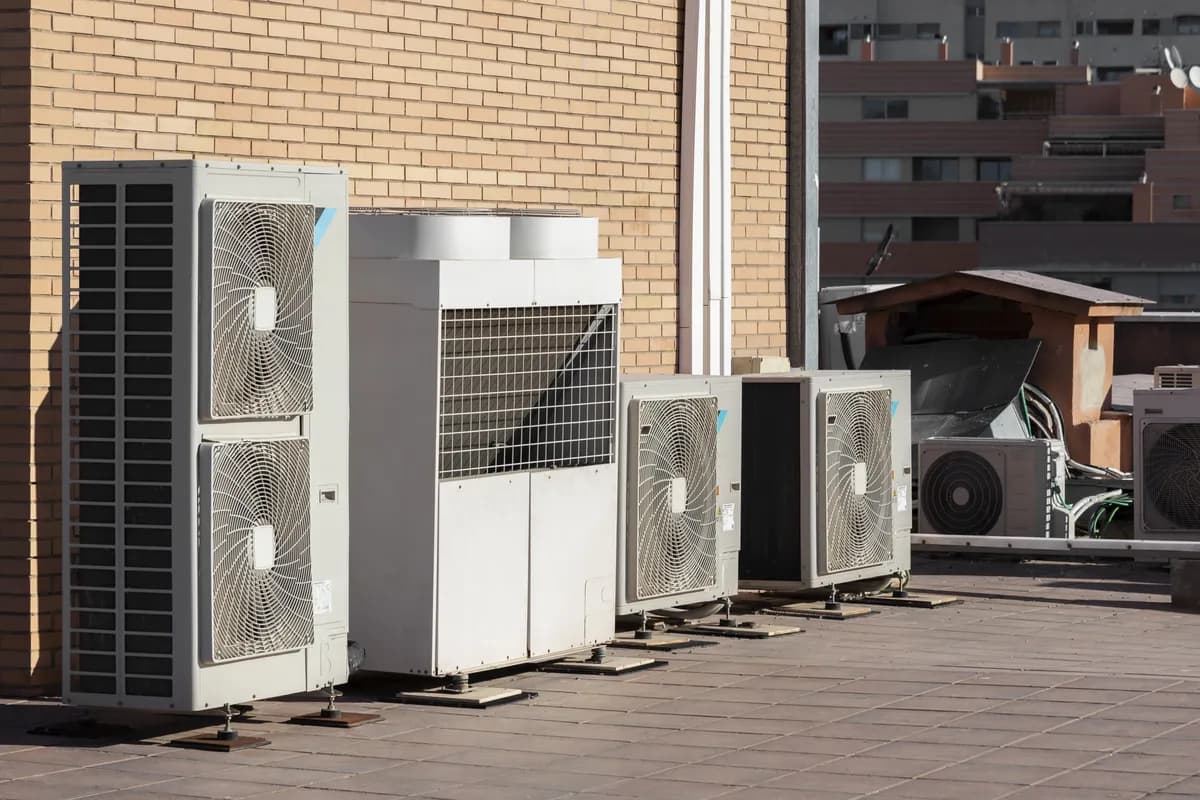
- Walk around the outdoor unit. Clear away leaves, plastic bags, cottonwood fluff, and any weeds growing through the base. Keep at least 2 feet of clearance on all sides.
Spring (March–April): pre-summer prep
This is the most important maintenance window of the year in Arizona. Whatever isn't right heading into summer will fail during summer. Do this before your first 100° day.
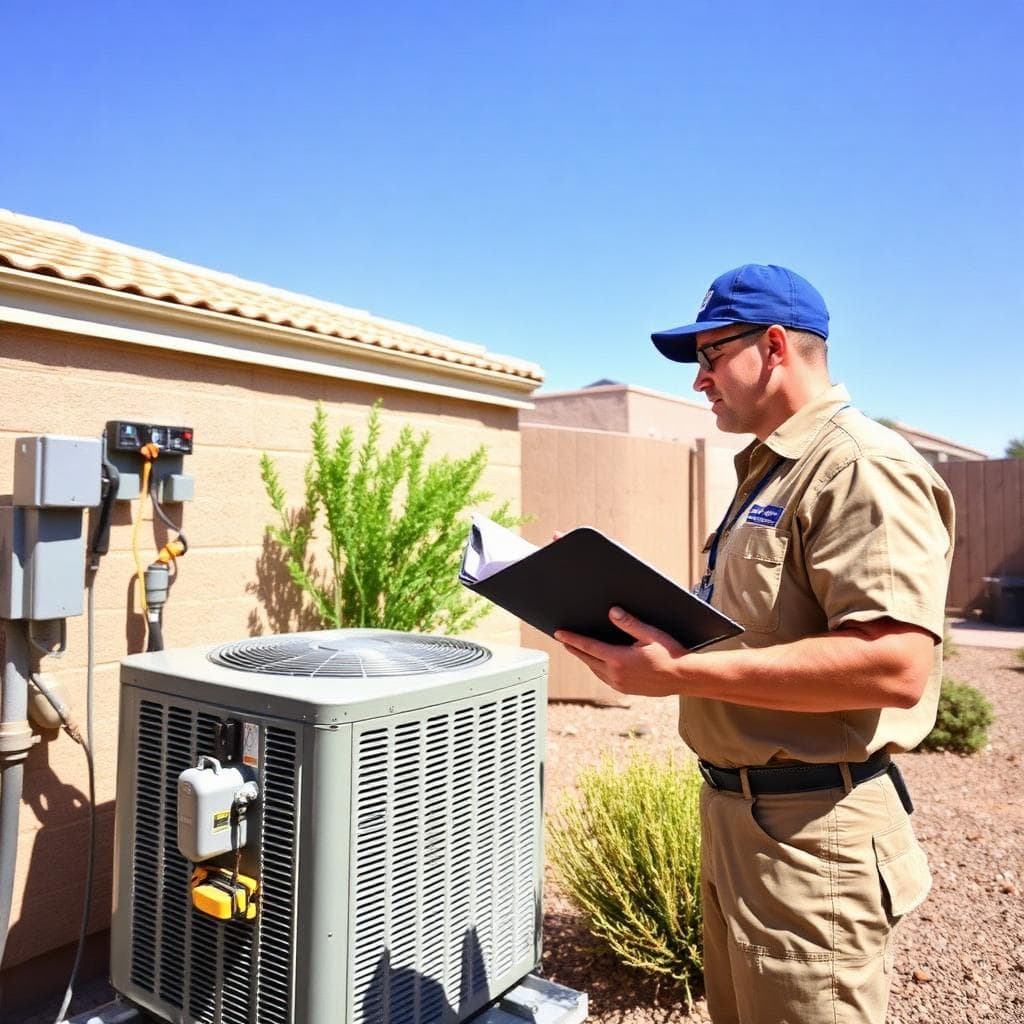
- Schedule a professional AC tune-up. Refrigerant check, capacitor test, coil cleaning, electrical inspection, and blower calibration. Our full breakdown of what a tune-up includes explains what to expect.
- Rinse the outdoor condenser coils. With the power off, spray with a garden hose from the inside out to push dust outward. Skip this if you're not comfortable — the tune-up will handle it.
- Test the system on cool. Run cooling for at least 20 minutes. Feel every vent. Uneven cooling now = a huge problem in July.
- Check thermostat batteries and update any smart-thermostat schedules for summer.
- Clear the condensate drain line. A quick pour of distilled vinegar down the access port prevents summer clogs — see our drain line guide for the walkthrough.
Summer (May–September): maintain and monitor
The system is under maximum load. Your job is to keep airflow open and catch problems early:
- Change filters more often — every 30 days during peak dust and monsoon.
- After every haboob (dust storm), hose off the outdoor condenser coils once the storm has fully cleared. Monsoon dust cakes onto coils and slashes efficiency.
- After every monsoon storm, check the outdoor unit for debris — branches, palm fronds, roof debris.
- Watch for warning signs: rising electric bills, longer run times to hit set temp, ice on refrigerant lines, water pooling under the indoor unit, strange smells.
- Set the thermostat smartly. Small setbacks (2–4°) when you're out save real money without overworking the system on return.
Fall (October–November): switch-over checkup
As the heat finally breaks, the system has just finished its hardest 6 months. Fall is the second key maintenance window.
- Get a heating tune-up before first cold snap. Even though winters are mild here, an untested furnace or heat pump on the first 40° morning is a bad surprise.
- Test the heat cycle. Run the heater for 20–30 minutes. Any burning smell should clear in the first few minutes; anything ongoing needs a look.
- Replace batteries in thermostats and CO detectors.
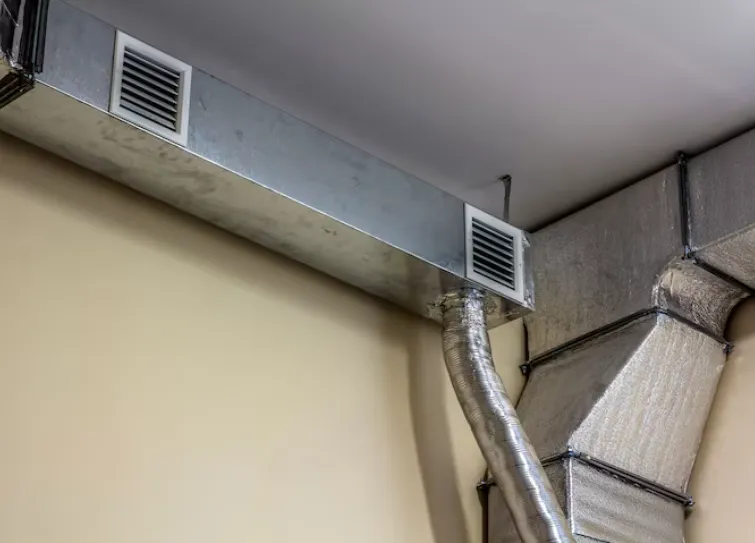
- Consider air duct cleaning if it's been more than 3–5 years. A summer of Arizona dust builds up in ducts fast — our duct-cleaning DIY guide covers what you can and can't do yourself.
Winter (December–February): easy season, don't ignore it
Arizona winters give your system a real break, but this is not the time to stop paying attention:
- Keep changing filters. People often forget this in winter — dust is still an issue.
- Keep the outdoor unit clear. Leaves and yard debris still accumulate.
- On unusually cold nights, listen for a heat pump that's constantly cycling or running defrost — that's normal below 40°, but nonstop defrost isn't.
- Book your spring tune-up early. Every reputable Arizona HVAC company gets slammed in April/May. Booking in January or February gets you the best window.
The 3 things pros catch that you can't
You can handle filters, coil cleaning, and drain lines yourself. What you can't do without training and tools:
- Refrigerant charge measurement. Low refrigerant slowly kills a system; you can't see it without gauges.
- Electrical component testing. Weak capacitors, aging contactors, and marginal wiring connections cause 90% of mid-summer breakdowns and can be caught early.
- Airflow and static pressure testing. Ductwork problems and blower issues hide in plain sight — the system "works," but works too hard, and dies early.
This is exactly what our tune-up service is built to catch.
Adjusting the Checklist for Your Home
A seasonal checklist is a starting point, and some households should be checking more often than it suggests. Homes near open desert or ongoing construction — common around San Tan Valley, Queen Creek, and the newer edges of the East Valley — load filters and condenser coils far faster than built-out neighborhoods with mature landscaping. Households with shedding pets can halve a filter's useful life. Homes where the air handler is in the attic should treat the condensate drain and float switch as a monthly item during monsoon season rather than a seasonal one.
Seasonal residents, common in Sun Lakes and other communities with winter visitors, have a different problem: equipment that sits idle for months does not preserve itself. Capacitors degrade on a calendar rather than on run hours, seals dry out, drain lines block, and outdoor units attract nesting insects and rodents. A system left alone all summer and asked to perform the day the owners return is the system most likely to fail that day, so a pre-arrival check is worth more for these homes than for any other.
Older homes with original ductwork benefit from adding a duct inspection to the checklist every few years. Joints separate, flexible duct sags and kinks, and insulation degrades in attics that exceed 150 degrees, and none of it is visible from inside the house.
Keeping a Simple Service Record
The most underrated maintenance habit is writing things down. A record of filter change dates, service visits, measured readings from each visit, and every repair turns maintenance from guesswork into information. It lets you see a capacitor declining year over year before it fails, notice when repair calls are becoming more frequent, and give a technician the history that makes diagnosis faster. It also matters for warranties, which often require proof of regular professional maintenance.
If you want the professional side handled on a schedule, our AC tune-up guide explains what a thorough visit should include, and you can book maintenance here.
Set it up once, run it for years
The homeowners we see get 13–15 years out of a system in Arizona all have one thing in common: consistent yearly maintenance and monthly filter changes. It's not glamorous, but it's the single highest-return thing you can do for your HVAC investment.
If you'd like us to handle the seasonal side, Fast Track Heating & Cooling offers HVAC preventative maintenance across the East Valley. See our preventative maintenance service page, browse our full HVAC services, or schedule your tune-up online. You can also reach us at (602) 905-4528.
Related Services
Need HVAC Help in Arizona?
Fast Track Heating & Cooling offers free estimates on all HVAC services across the Valley.
Call (602) 905-4528