Furnace Blowing Cold Air? Here's What That Actually Means
The furnace is clearly doing something. You can hear it. Air is coming out of the vents. It is just not warm — and in a Mesa house on a 40-degree December morning, that gets uncomfortable fast.
This is one of the more useful symptoms to have, because it narrows things down considerably. A furnace blowing cold air is not a dead furnace. Power is reaching it, the blower is running, and the thermostat is calling for heat. Something is failing between "call for heat" and "produce heat" — and there are only a handful of candidates.
Some of them are completely normal and need no repair at all. We will start there, because it would be a shame to pay for a service call on a furnace that is working correctly.
First: Three Situations Where Cold Air Is Normal
Your fan is set to ON instead of AUTO. This is the most common false alarm we get called out for. With the fan switch on ON, your blower runs continuously — including during the long stretches when the burners are off. You get room-temperature air moving across your skin, which feels distinctly cold. Switch the thermostat fan to AUTO and the airflow will stop between heating cycles.
The furnace just started. A furnace does not blow hot air immediately. The burners light first, and the blower waits roughly 60 to 90 seconds for the heat exchanger to warm before it starts moving air. Some units run a brief cool purge at the end of a cycle too, pushing residual heat out of the exchanger. Both are by design.
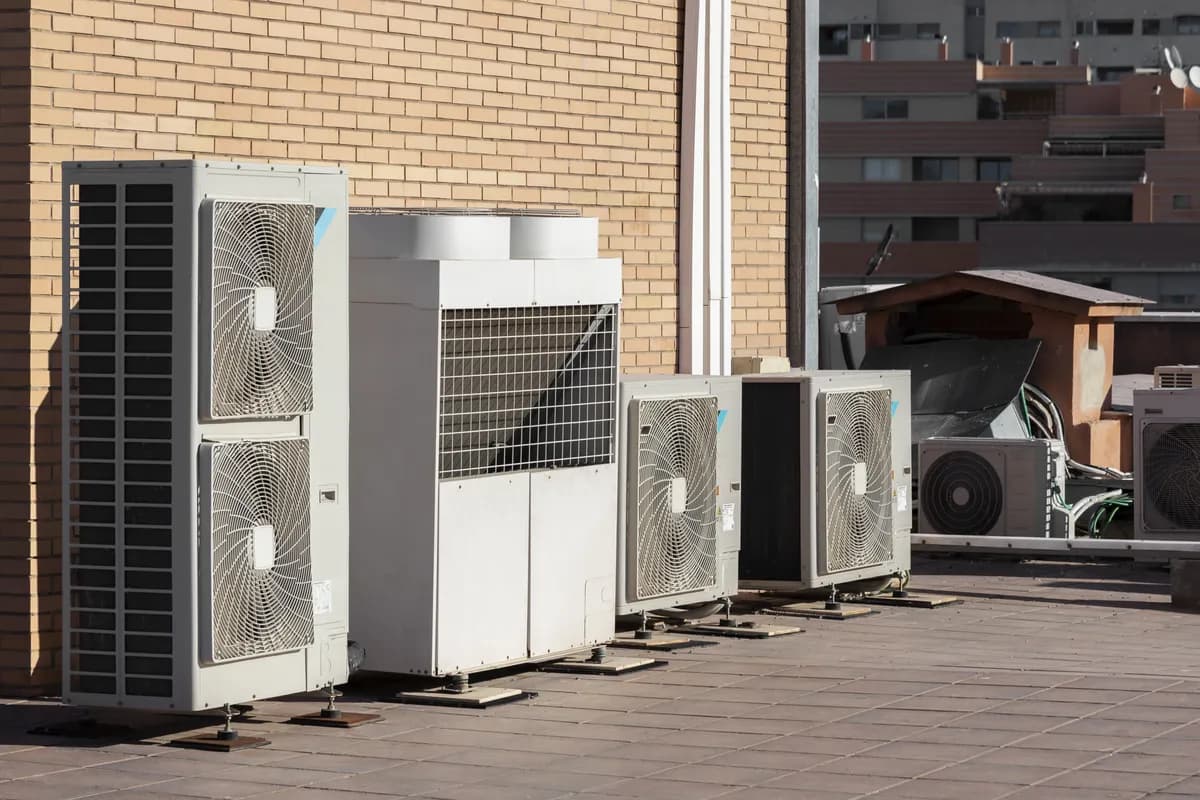
You have a heat pump, not a furnace. This one catches a lot of Arizona homeowners. Heat pump air comes out around 90 to 100 degrees — genuinely warm, but well below the 120 to 140 degrees a gas furnace produces. Against 98-degree skin it can register as cool even while it is heating the house perfectly well. If your outdoor unit runs in winter, you have a heat pump, and this guide explains the sensation in detail.
The Dirty Flame Sensor: The Single Most Likely Cause
If your furnace lights, runs for anywhere from a few seconds to a couple of minutes, and then blows cold air while the blower keeps going, this is where to look first. It is far and away the most common cause of this exact symptom on gas furnaces.
A flame sensor is a thin metal rod that sits directly in the burner flame. It does not ignite anything. Its only job is to confirm that a flame actually exists, using a tiny electrical current that the flame itself conducts. If the control board does not see that current within a few seconds of opening the gas valve, it shuts the gas off immediately — exactly as it should, because the alternative is pumping unburned gas into your house.
Over time the rod develops a thin film of oxidation and carbon. The film is often invisible. It does not stop the flame from existing; it stops the sensor from detecting it. The furnace lights, the sensor fails to confirm, the gas shuts off, and the blower keeps running to clear the heat — which is the cold air you are feeling.
In Arizona this is aggravated by the long idle season. Eight months of dust settling on a sensor that nothing burns clean is a reliable recipe for a November failure. Cleaning it is inexpensive and takes a technician minutes, and the usual telltale is a furnace that fails more reliably the colder it gets.
Out of Gas, or No Gas Getting Through
Obvious, but worth ruling out in thirty seconds. Light a burner on your gas range. If it lights, gas is reaching the house and the problem is downstream at the furnace. If it does not, call your utility.
Then check the gas shutoff valve on the pipe at the furnace itself. Open means the handle runs parallel to the pipe. We have found these closed more than once — sometimes from work done elsewhere in the house months earlier, sometimes because a valve was shut for summer and never reopened.
If you have a standing pilot light on an older unit, check whether it is lit. Relighting instructions are printed inside the burner door. If it will not stay lit, the thermocouple is likely failing and that is a repair rather than a reset.
Overheating: When the Furnace Protects Itself
A furnace that overheats shuts its own burners off. The blower keeps running to dump the excess heat, so you get cold air from a system that was working a minute ago.
The trigger is almost always restricted airflow, and the usual culprit is a filter. Fine desert dust loads filters faster here than in most of the country, and a filter that looks only moderately dirty can still be restricting enough to trip a high-limit switch under heating load.
Closed or blocked vents do the same thing. Homeowners close registers in unused rooms to save money, which is intuitive and counterproductive — your system is sized for a specific volume of airflow, and closing registers raises static pressure rather than reducing load. Furniture over a floor vent and a rug across a return do the same thing less visibly.
The pattern to watch for: heat works for ten or fifteen minutes, quits, comes back later, quits again. That cycling is the limit switch doing its job. Replace the filter, open every register, and see whether it resolves. If it does not, the restriction is somewhere less accessible — a collapsed flex duct or a blower wheel caked in dust.
Other Causes Worth Knowing About
If the filter is clean, the gas is on, and the fan is set correctly, the remaining causes are mostly inside the cabinet:
- Failed igniter. A hot surface igniter is a brittle ceramic element that eventually cracks. The furnace goes through its startup sequence, nothing lights, and the blower runs anyway. Often you will hear the sequence attempt and retry two or three times before locking out.
- Blocked condensate drain. High-efficiency furnaces with white PVC venting produce water as they run. If the drain clogs, a safety switch opens and shuts the burners down. Arizona's long idle season lets these lines dry out and collect debris.
- Faulty gas valve. Less common, but a valve that fails to open means ignition never happens regardless of how healthy everything else is.
- Control board failure. The board sequences everything. When it fails, behavior gets erratic and hard to pin on any single component.
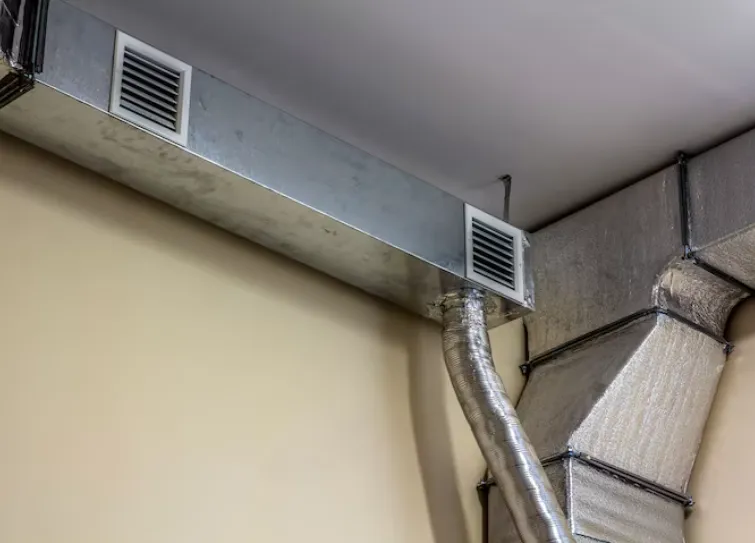
- Leaking ducts. If the furnace is producing proper heat but the air arriving at your registers is lukewarm, you may be losing it into an attic. In Arizona attics that is a large temperature difference to fight. Ductwork inspection is worth considering if some rooms are much worse than others.
The One Cause That Means Shut It Off Now
A cracked heat exchanger can produce cold air along with symptoms that are easy to dismiss — and it is the one item on this list that is genuinely dangerous.
The heat exchanger is the metal barrier separating combustion gases from the air you breathe. When it cracks, those gases can enter your airstream, and that includes carbon monoxide. Warning signs include a persistent odor when the heat runs, soot around the burners, visible rust flaking inside the cabinet, a flame that flickers or rolls when the blower kicks on, and anyone in the house getting headaches or feeling unwell specifically when the heat is running.
If you have a working carbon monoxide alarm and it has not sounded, that is reassuring but not conclusive — alarms are calibrated for fairly high concentrations. If you do not have a CO alarm on every floor, install them. They cost very little and this is precisely the scenario they exist for.
If you suspect a cracked exchanger, shut the furnace off at the service switch and do not run it again until someone has inspected it. A technician can confirm it in minutes with a combustion analyzer.
What You Can Check in Ten Minutes
In order, before calling anyone:
- Set the thermostat fan from ON to AUTO.
- Confirm the mode is HEAT and the setpoint is well above room temperature.
- Replace the air filter if it is dirty, and note the date somewhere.
- Open every supply register and clear anything covering a return.
- Light a gas stove burner to confirm the house has gas.
- Check the gas shutoff valve at the furnace runs parallel to the pipe.
- Pull the access panel and look for a blinking diagnostic LED. Photograph the blink pattern and the code legend printed inside the panel.
- Wait a full twenty minutes after any change — furnaces have lockout timers and will not restart instantly.
Frequently Asked Questions
Why does my furnace blow cold air then warm air then cold again? Classic overheat cycling. The burners light, the system overheats because airflow is restricted, the limit switch cuts the burners, the blower cools things down, and the cycle repeats. Start with the filter.
Why is only one room cold? That is a distribution problem rather than a furnace problem — a closed damper, a disconnected duct run, or poor balancing. The furnace itself is probably fine.
Should the air from a furnace feel hot or just warm? A gas furnace should deliver air noticeably hotter than body temperature, typically 120 to 140 degrees at the register. A heat pump delivers 90 to 100, which feels much milder.
Can a dirty filter really stop my heat completely? Yes. It is the single most common cause of heating complaints we see, and the cheapest to rule out.
My furnace is blowing cold air and the outdoor unit is running. What is going on? You almost certainly have a heat pump rather than a furnace, which changes what counts as normal.
Get Warm Air Back
If the fan is on AUTO, the filter is clean, the gas is on, and you are still getting cold air, the cause is inside the cabinet and needs someone with the tools to test it safely.
Fast Track Heating & Cooling diagnoses no-heat and cold-air calls across Mesa, Chandler, Gilbert, Tempe, and the East Valley. See our furnace repair service, furnace repair in Chandler, or read our guide to a furnace that will not start at all. Schedule online or call (602) 905-4528.
Related Services
Need HVAC Help in Arizona?
Fast Track Heating & Cooling offers free estimates on all HVAC services across the Valley.
Call (602) 905-4528