What Does a New AC Unit Cost in Arizona? 2026 Pricing
Replacing an air conditioner is one of the largest single purchases most Arizona homeowners will make for their house, and it usually happens under pressure — the system quits in July and suddenly you're comparing proposals in a hot living room.
This guide gives you the 2026 numbers before you're in that position: what a new AC unit actually costs in Arizona, what should be included in the price, why Valley installs run higher than national averages, and how to tell whether replacing beats another repair.
2026 AC replacement cost in Arizona: the ranges
Fully installed, permitted, and warrantied — not equipment-only pricing. Most Arizona replacements land in these ranges:
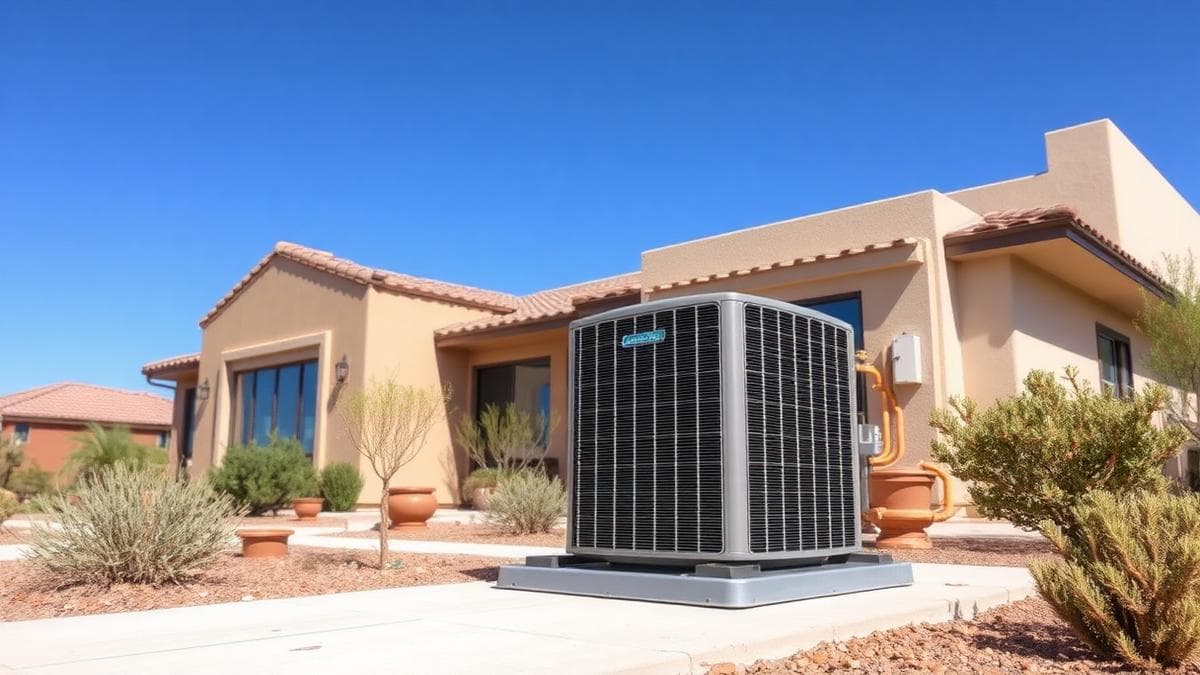
- 2.5 ton split system, base efficiency (14.3 SEER2): $7,000–$10,000
- 3 ton split system, base efficiency: $8,000–$11,500
- 4 ton split system, base efficiency: $9,500–$13,500
- 5 ton split system, base efficiency: $10,500–$15,000
- Mid-tier two-stage, 16–17 SEER2 (3–4 ton): $12,000–$17,000
- High-efficiency variable-speed, 18+ SEER2: $16,000–$24,000
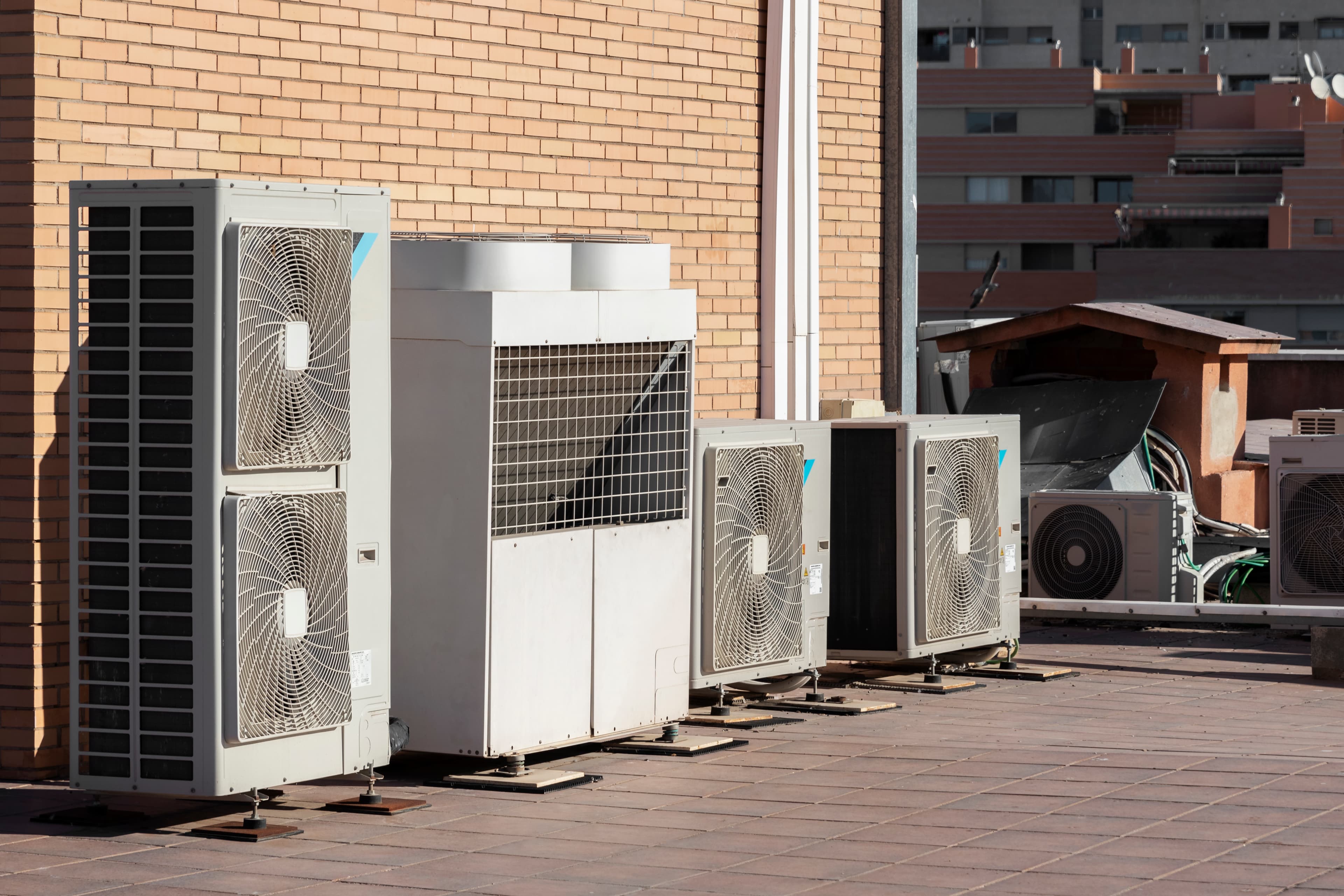
- Packaged rooftop unit (common on Valley homes): $9,000–$16,000 depending on tonnage and efficiency
- Heat pump replacement (split): typically $1,000–$2,500 above a comparable AC-only system
If a quote comes in dramatically under these ranges, find out what's missing — usually it's the permit, the new line set, the pad or curb adapter, or a proper airflow evaluation. If it comes in dramatically over, ask what tier of equipment and what extra scope you're being sold.
What should be included in a full installation
The equipment is roughly half the ticket. The other half is labor, materials, and the details that determine whether the system lasts 15 years or 8. A complete Arizona install should include:
- Removal and legal disposal of the old equipment and refrigerant.
- Matched indoor and outdoor components — a new condenser paired to an old, mismatched coil will never hit its rated efficiency.
- New line set or a properly flushed existing line set (required when moving between refrigerant types).
- New pad, curb adapter, or roof mounting as applicable.
- New disconnect, whip, and electrical connections brought up to current code.
- Condensate drain, pan, and safety float switch — critical in the Valley where a clogged line means ceiling damage.
- Permit and municipal inspection — Mesa, Chandler, Gilbert, and Scottsdale all require one for a changeout.
- Thermostat (basic programmable at minimum; smart thermostat on many mid-tier packages).
- Startup, charge verification, and a documented commissioning report with pressures and temperature split.
- Labor warranty in writing, on top of the manufacturer's parts warranty.
Why Arizona installs cost more than the national average
National calculators routinely quote figures that don't survive contact with a Phoenix summer. Here's the local delta:
- Sizing runs higher. Valley heat load pushes many homes to 4 and 5 ton systems where the same square footage elsewhere needs 3.
- Packaged rooftop equipment. A large share of Valley homes use rooftop package units. Crane or lift work, curb adapters, and roof access all add cost.
- Refrigerant transition. The industry shift to A2L refrigerants (R-454B and similar) has raised equipment cost and requires updated tooling and technician certification.
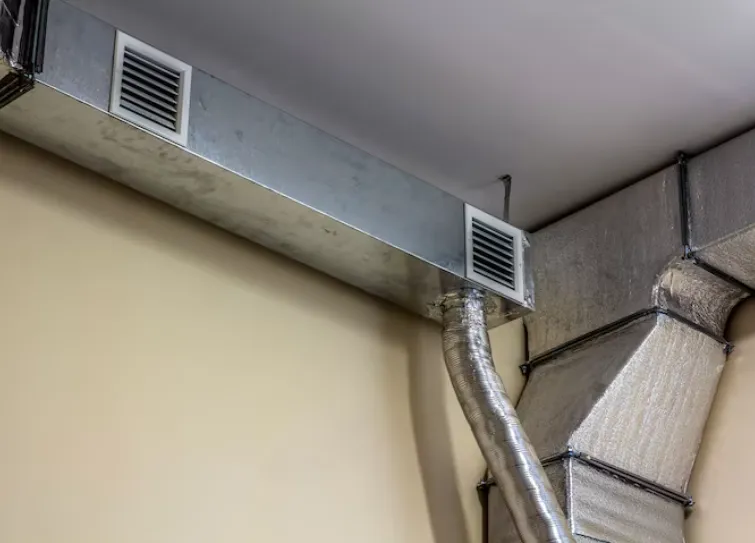
- Duct realities. Attic ductwork in a 160° attic degrades. Many replacements need duct sealing or partial replacement to deliver the efficiency you just paid for.
- Demand seasonality. June through September is peak. Replacing in shoulder season often means better scheduling and, at some companies, better pricing.
The $5,000 rule, worked out with real numbers
The most useful quick test for repair-vs-replace: multiply the age of the system (in years) by the cost of the repair. If the result is over $5,000, replacement is usually the better financial decision.
Three examples from real Valley scenarios:
- 6-year-old system, $250 capacitor: 6 × 250 = $1,500. Repair, easily. See our capacitor cost guide.
- 11-year-old system, $600 blower motor: 11 × 600 = $6,600. Over the line — but a healthy 11-year-old system with no other faults can still justify the repair. Use the number as a prompt, not a verdict.
- 14-year-old system, $2,400 compressor: 14 × 2,400 = $33,600. Replace. Spending $2,400 on a system near end of life rarely pays back.
Layer in three other signals: the system uses discontinued R-22 refrigerant (repairs get expensive fast), you've had two or more failures in the last two seasons, or rooms are noticeably uneven even after service. Any of those alongside a high $5,000-rule number points to replacement.
Sizing: bigger is not better in Arizona
An oversized AC cools the air fast, shuts off, and never runs long enough to pull humidity out or evenly condition the house. You get cold spots, hot rooms, short cycling, and accelerated compressor wear.
A proper replacement starts with a load calculation that accounts for square footage, ceiling height, window area and orientation, insulation, and duct condition — not a rule of thumb off the old unit's nameplate. If the previous system was wrong-sized, matching it just repeats the mistake. Our AC sizing guide for Arizona homes walks through how this is calculated.
Is higher SEER2 worth it in Phoenix?
More often here than almost anywhere else in the country, because of run hours. A high-efficiency system that would take 15 years to pay back in a mild climate can pay back meaningfully faster in a market where the AC runs most of the year.
That said, the jump from base efficiency to mid-tier two-stage usually offers a better return than the jump from mid-tier to top-tier variable-speed. The premium tier buys comfort — quieter operation, tighter temperature control, better humidity handling during monsoon — more than it buys pure payback. Decide which of those you're actually buying.
If you're weighing a heat pump instead, our heat pump vs. air conditioner comparison covers how each performs in Arizona's mild winters.
Rebates, financing, and tax credits
Three places to look before you sign:
- Utility rebates. APS and SRP have historically offered rebates on qualifying high-efficiency equipment. Programs and amounts change annually — confirm current terms with your utility before assuming a number.
- Federal energy-efficiency tax credits. Availability and qualifying efficiency tiers change with legislation. Ask your installer for the AHRI certificate and confirm current eligibility with a tax professional.
- Manufacturer promotions. Spring and fall factory promotions on select systems are common.
- Financing. Most reputable contractors offer financing; compare the total cost of borrowing, not just the monthly payment.
Questions to ask before you sign
Take these to every proposal you collect:
- Was a load calculation performed, and can I see it?
- What exact model numbers — indoor and outdoor — and what's the matched AHRI rating?
- Is the permit included, and who schedules the inspection?
- What's the labor warranty length, and is it in writing separate from the parts warranty?
- Are the line set, disconnect, pad, drain, and float switch included, or line-item extras?
- Will you provide a commissioning report with pressures and temperature split at startup?
- What happens if the ductwork can't support the new airflow — is that a change order?
Frequently asked questions
How much does a new AC unit cost in Arizona in 2026? Most fully installed residential replacements run $7,000–$15,000, with high-efficiency variable-speed systems reaching $16,000–$24,000.
What is the average AC replacement cost in Phoenix? Typical Phoenix-area jobs cluster around $9,000–$13,000 for a mid-size home with base-to-mid efficiency equipment.
How long does an AC last in Arizona? Commonly 10–15 years, versus 15–20 in milder climates, because of run hours and heat exposure. Annual maintenance pushes you toward the top of that range.
How long does installation take? A standard changeout is typically one day. Duct modifications, electrical upgrades, or crane work can extend it to two.
Should I replace both the indoor and outdoor unit? Yes, in nearly all cases. Mismatched components lose efficiency and can void manufacturer warranties.
Is it cheaper to replace in winter? Usually easier to schedule and sometimes cheaper, because contractors aren't running emergency calls at capacity.
Get a straight replacement quote
Fast Track Heating & Cooling provides free, no-pressure replacement estimates across Mesa, Chandler, Gilbert, Scottsdale, Tempe, and the East Valley — with load calculations, itemized scope, and permits included. See our AC installation service, AC installation in Chandler, or AC installation in Gilbert. Request an estimate or call (602) 905-4528. If you're still deciding whether it's time, start with our tune-up pricing guide.
Related Services
Need HVAC Help in Arizona?
Fast Track Heating & Cooling offers free estimates on all HVAC services across the Valley.
Call (602) 905-4528